The Volta Region / Western Togoland Question: Colonial Borders, Unresolved Grievances, and the Long Struggle for Identity and Self‑Determination
🇬🇭 Ghana3d.com Gateway Experience 360
From sacred village ceremonies to awe-inspiring natural beauty — your journey starts here!
- Instant Confirmation.
- Free Cancellation.
- Best Price Guarantee.
You'll receive a full refund if you cancel at least 24 hours in advance of most experiences.
Ho, Volta Region – June 2026
The story of the Volta Region — and the broader Western Togoland question — is one of the most complex and least understood chapters in West African history. It is a story shaped not by local decisions, but by European colonial border‑drawing that divided communities, reshaped identities, and left behind unresolved questions that still echo today.
For many Ewe people, the feeling is simple: their history was interrupted, their identity was rearranged, and their future was decided without them.
This article explores that history in an educational, factual, and non‑political way.
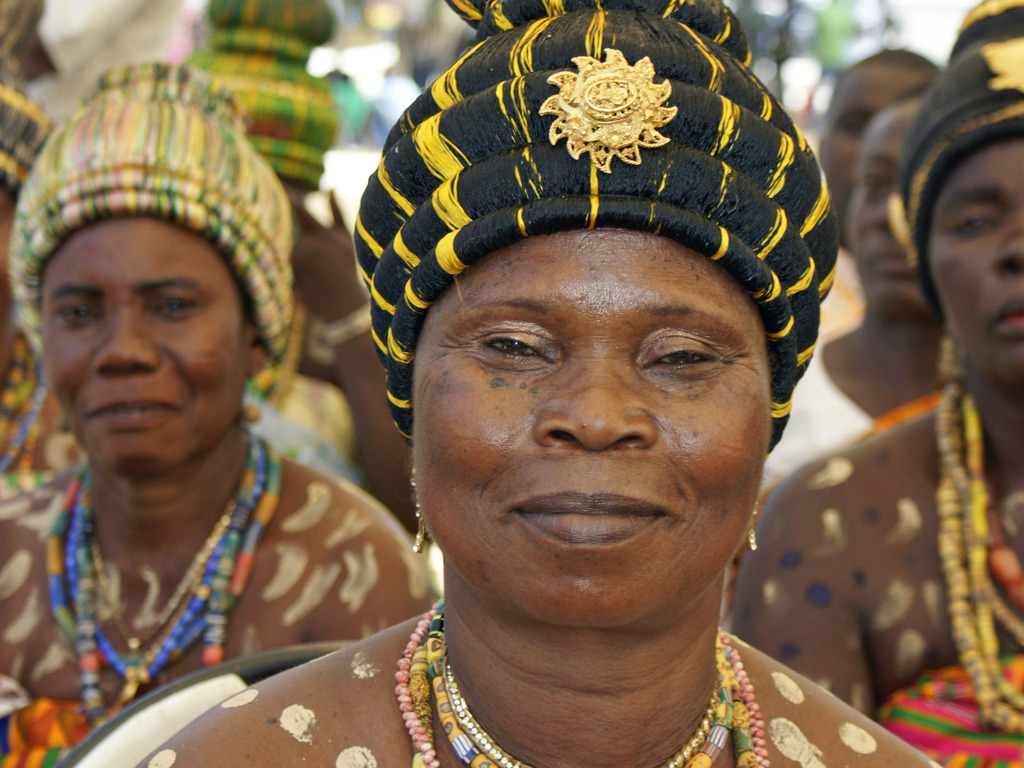
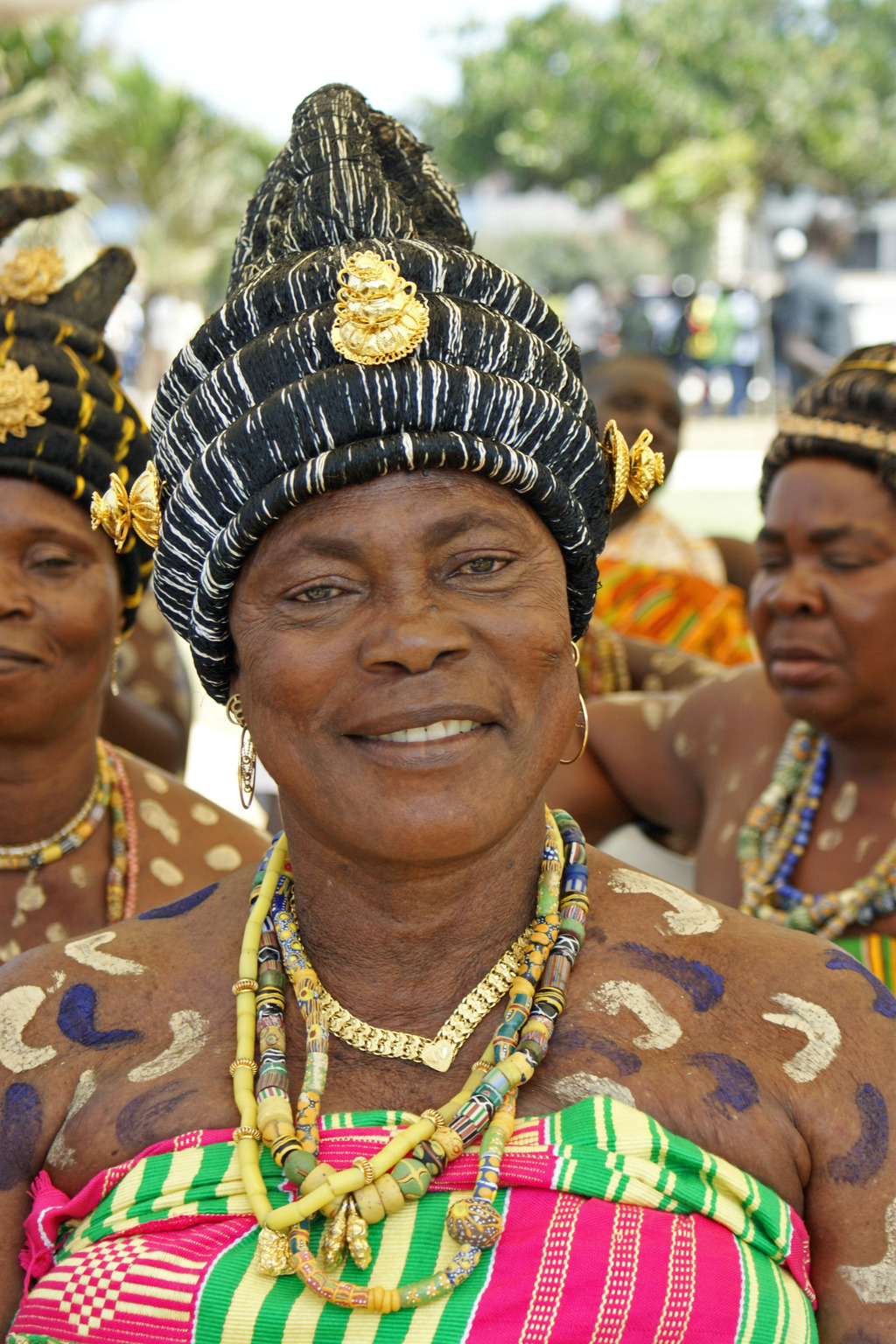
To be proud! Queen Mothers of the Volta Region, Ewe- Photography (c) Remo Kurka - All photos, on this page!
German Togoland and the Division of the Ewe People
In 1884, Germany established Togoland as a protectorate. The Ewe people — who had lived across the region for centuries — suddenly found themselves under a single colonial administration.
After World War I, everything changed.
Togoland was divided between:
French Togoland (today’s Togo)
British Togoland (today’s Volta Region and parts of Oti Region)
This division was not based on culture, language, or local wishes. It was based on European negotiations.
The result was a split that separated families, clans, and communities — a division that still shapes identity today.
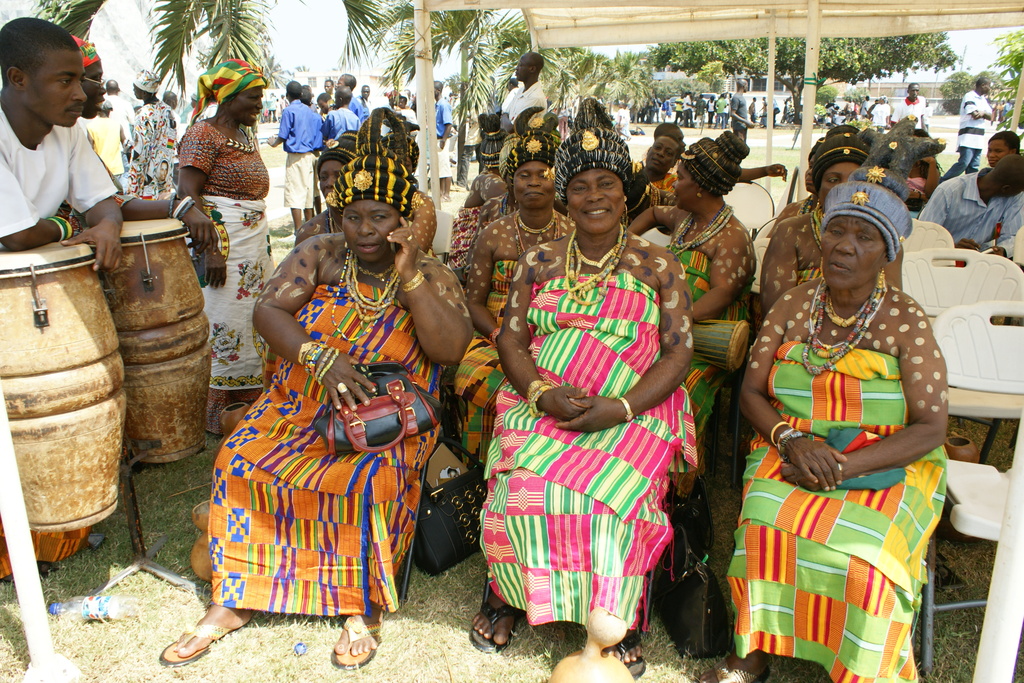
Queen mothers of the Volta Region, Ewe - Photography (c) Remo Kurka - All photos, on this page!
The 1956 Plebiscite: A Turning Point
As the Gold Coast prepared for independence, the United Nations supervised a plebiscite on 9 May 1956 to determine the future of British Togoland.
Official results:
58% voted to join the Gold Coast (Ghana)
42% voted against
However, the regional breakdown revealed a more complex picture:
In the southern Ewe areas — Ho, Hohoe, Kpandu — the majority voted against joining Ghana.
Many preferred unification with French Togoland or continued UN trusteeship.
Despite these regional differences, the overall result was accepted. On 6 March 1957, British Togoland became part of independent Ghana.
For some communities, this decision felt incomplete — a historical question answered without full consensus.
Post‑Independence: Identity, Development, and Regional Sentiment
Since independence, the Volta Region has played a major role in Ghana’s cultural, educational, and economic life. Yet, historical grievances remain part of the regional conversation:
perceptions of underdevelopment
feelings of political neglect
stereotypes and misunderstandings
the sense that the region’s unique history is not fully acknowledged
These sentiments do not necessarily translate into separatism. They often reflect a desire for recognition, respect, and equitable development.
The Modern Western Togoland Movements
In recent decades, groups such as the Homeland Study Group Foundation and the Western Togoland Restoration Front have raised questions about self‑determination.
Their activities range from:
historical advocacy
cultural preservation
legal arguments
political agitation
The situation escalated in September 2020, when roadblocks and attacks on security installations led to arrests and increased security presence.
By 2026, the issue remains present but subdued — more of a historical and identity conversation than a widespread political movement.
Understanding the Issue Today
The Western Togoland question is not simply about independence or secession. It is about:
historical borders
cultural identity
regional development
the legacy of colonial decisions
the need for inclusive national dialogue
The people of the Volta Region are not a security problem. They are citizens with a unique history that deserves recognition and respectful engagement.
A Balanced Perspective
After decades of observing this issue, one conclusion stands out:
The long‑term solution is not confrontation, but understanding. Not repression, but dialogue. Not political slogans, but genuine development and respect for regional identity.
The history of the Volta Region is part of Ghana’s history. Its questions deserve thoughtful engagement, not dismissal.
This is reality — presented without sugar‑coating, and without political intent.
— Remo Kurka Ghana‑Net Network • June 2026